The Hidden Industry Keeping Hospitals Running: Inside the Secondhand Medical Equipment Market
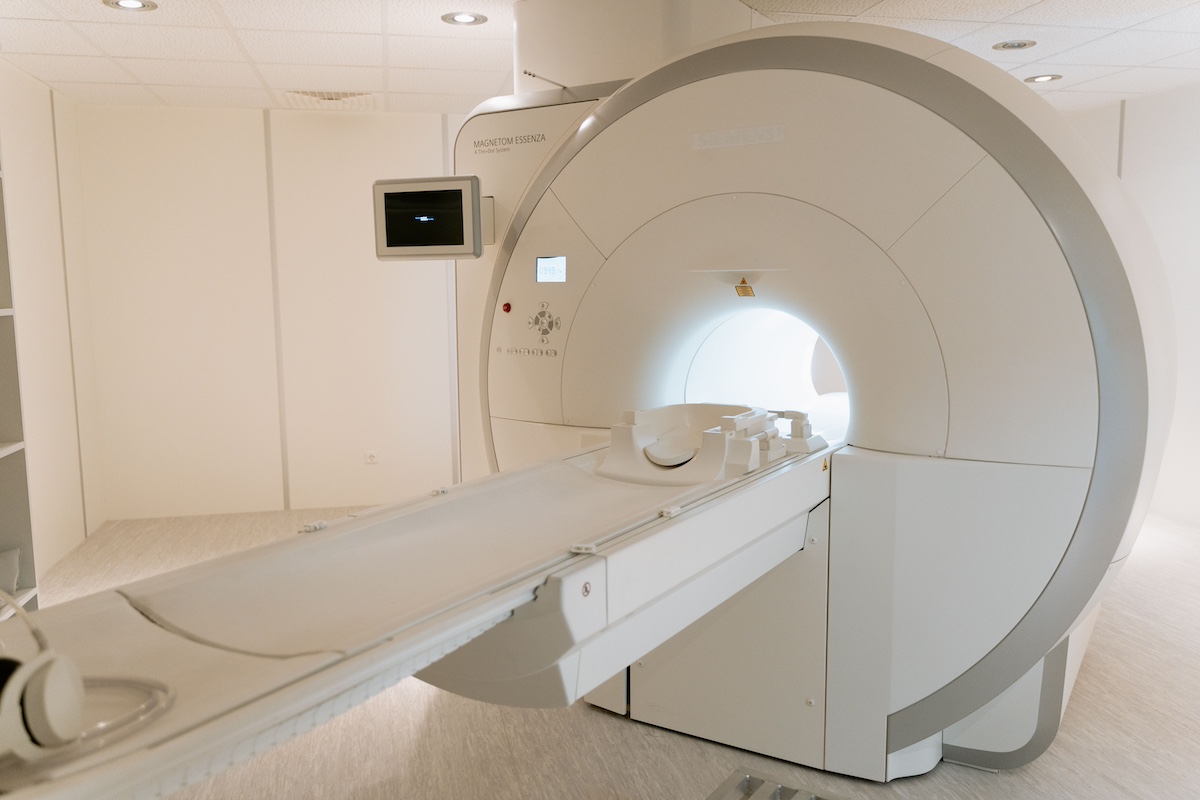
When a hospital upgrades its imaging department, the old MRI scanner doesn’t go to a landfill. It doesn’t sit in a storage room gathering dust either. In most cases, it goes through a process most patients never think about: resale, refurbishment and a second career somewhere else entirely, often in a country thousands of miles away.
This quiet secondary market for medical equipment is one of those industries that operates almost entirely out of public view, yet it plays a real role in how healthcare gets delivered, especially outside the wealthiest hospital systems. A piece of diagnostic technology that’s considered outdated in one country can still have a decade or more of useful life left in it elsewhere.
Companies like Agito Medical have built their entire business around managing that lifecycle, buying used MRI, CT and X-ray systems from hospitals upgrading their equipment, testing and refurbishing them, then placing them with clinics and facilities that need them.
How a Used Scanner Gets a Second Life
The process is more involved than most people would guess. Medical imaging equipment isn’t something you can simply unplug, ship, and reinstall. Once a system is decommissioned, it needs to be carefully dismantled by technicians who understand the specific engineering of each machine, since a misstep during removal can damage components that are expensive or impossible to replace.
From there, the equipment typically goes through diagnostic testing, software updates, replacement of worn parts, and, often, a full cosmetic restoration before it’s considered ready for resale. Buyers expect documentation showing the machine’s service history and proof that it meets the original manufacturer’s performance standards, not just a visual once-over.
Who Actually Buys Used Imaging Equipment
The buyers aren’t always who you’d expect. Some are private clinics in wealthier countries trying to control costs without compromising on diagnostic quality. Others are public hospitals in regions where new equipment simply isn’t in the budget. A meaningful share goes to facilities in Eastern Europe, Latin America, Africa, and parts of Asia, where a working MRI machine, even a previous-generation one, can mean the difference between local diagnosis and a patient traveling hundreds of kilometers for a scan.
The Sustainability Angle Nobody Talks About
There’s also an environmental story buried in all of this. Medical imaging machines contain significant amounts of metal, electronics and, in MRI systems specifically, materials like helium and superconducting magnets that are costly and resource-intensive to produce. Extending a scanner’s working life by a decade or more instead of scrapping it keeps a substantial amount of material out of the waste stream.
The World Health Organization has repeatedly flagged the global gap in access to essential diagnostic equipment, particularly in lower-income regions, as a major barrier to early disease detection. The secondhand equipment trade doesn’t close that gap entirely, but it does chip away at it in a way that new equipment alone, given its cost, simply can’t.
An Industry That’s Quietly Growing
As hospital budgets tighten and equipment turnover accelerates with each generation of imaging technology, the secondary market shows no sign of slowing down. Suppliers in this space, Agito Medical among them, have expanded well beyond simple resale into rental fleets, mobile units, and spare parts, treating the equipment lifecycle as something to be managed rather than something that simply ends.
It’s not a glamorous corner of healthcare. Nobody writes headlines about refurbished MRI scanners the way they do about new surgical robots or AI diagnostics. But for the patients who get scanned because a clinic could actually afford the equipment, the industry matters more than its low profile suggests.