Why the Buildings, Vehicles and Devices Around You Depend on Plastic You’ve Never Noticed
Look around wherever you are right now. The seal around a window frame, the casing on an electrical cable, the trim running along a door threshold, there’s a good chance each of those contains an extruded plastic profile you’ve never consciously registered. That’s not an accident. It’s the result of a manufacturing process so well-suited to its purpose that its output disappears into the background of everything we build, travel in, and depend on.
A Process That Runs Through Almost Every Industry
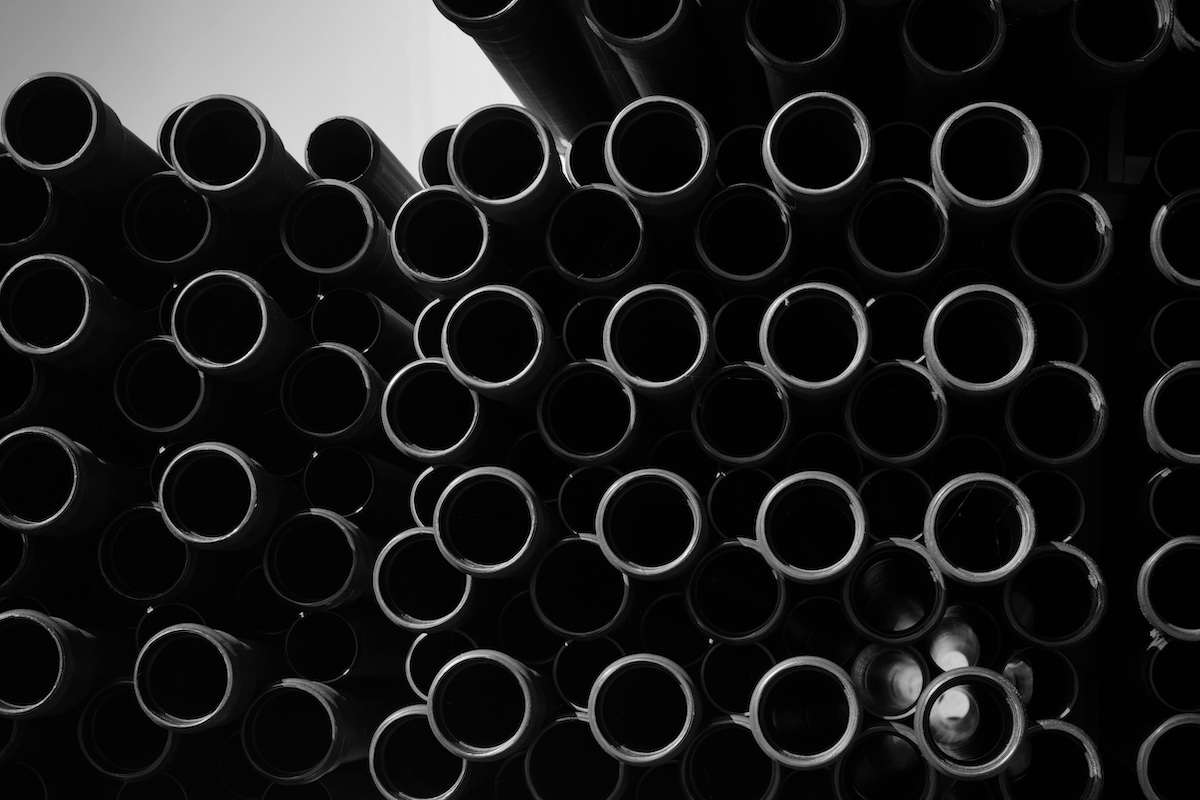
Plastic extrusion works by melting raw polymer material and pushing it through a shaped die to produce a continuous cross-section, a profile that can be cut to any length and engineered to precise specifications. The geometry, material, and tolerances can all be adjusted to fit a specific application. That flexibility is precisely why the same fundamental process produces gaskets for a Scandinavian window manufacturer, corrugated tubing for a surgical device, protective seals for a refrigerated truck, and cable management components for a data centre.
Choosing the right polymer profiles manufacturer gives companies across construction, transport, healthcare, energy, and dozens of other sectors access to components that are lighter than metal equivalents, cheaper to scale, and increasingly made from recyclable or recycled polymer blends.
The Breadth of Applications Is the Point
Why So Many Industries Ended Up Here
What makes extruded profiles so specifically valuable is the combination of design freedom and material versatility that extrusion delivers. A profile can be engineered from PVC for cost-effectiveness and weather resistance, from polypropylene for chemical tolerance in industrial environments, from thermoplastic elastomers where flexibility matters, or from custom blends that combine properties no single standard material could achieve on its own.
For most of the twentieth century, manufacturers adapted their designs to whatever standard profiles the market offered. The ability to develop a profile to exact specification from scratch, starting from a customer’s challenge rather than a catalogue, has changed what’s possible across the board.
Sixty-Plus Years of Working Across 40 Industries
Primo has been developing extruded profiles since 1959, serving industries ranging from offshore energy and wind power to medical tubing, greenhouse infrastructure, HVAC, and marine applications. The approach is consistent: start from a customer’s technical requirement rather than an existing product line, and develop the profile, including material selection, die design, and production process, around that specific challenge.
That model is part of why plastic profiles have displaced heavier alternatives in applications where they once seemed like an unlikely fit. An aluminium extrusion can achieve structural performance, but it rarely matches the combination of weight reduction, corrosion resistance, production speed, and design flexibility that modern polymer engineering makes possible.
The Material’s Next Chapter
The growth of extruded plastics across industries has run alongside growing pressure to address the environmental side of plastic production. PlasticsEurope, the pan-European industry association, describes plastics as a strategically important material with applications in almost every sector: from automotive and construction to healthcare and renewable energy, and frames the next phase of the industry around circularity and net-zero production rather than simply expanding volume.
The response within manufacturing has focused accordingly: designing profiles for eventual disassembly and recovery, increasing recycled content in new production, and building supply chains that keep material in use rather than sending it to waste. For companies that have operated long enough, this isn’t a new conversation; it’s been reshaping material choices and production investment for well over a decade.
The profiles hidden inside the things around you are getting harder to see, and increasingly easier to reuse.